|
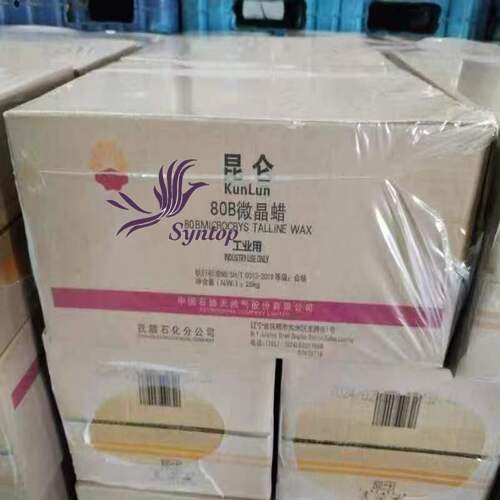
The primary applications of industrial-grade microcrystalline wax are categorised and detailed as follows:
1. Fats and Lubricants Industry
This represents one of the largest application areas for microcrystalline wax.
Petroleum jelly: Serving as the principal thickener and gelling agent, it blends with high-viscosity mineral oils to form petroleum jelly's characteristic paste-like structure. This directly addresses your previous query.
Greases: Within greases, microcrystalline wax functions as a thickener or modifier, enhancing adhesion, sealing properties, and water resistance.
Rust Inhibitors: Microcrystalline wax can be formulated into solvent-based or emulsifiable rust-preventative oils/greases. It forms a soft, dense, and highly adherent protective film on metal surfaces, effectively isolating moisture and air to prevent corrosion.
2. Rubber and Tyre Industry
Microcrystalline wax serves as a guardian in this sector.
Physical Anti-Ageing Agent: This represents its most crucial function within rubber compounds. During rubber compounding, microcrystalline wax disperses uniformly. When vulcanised rubber products (such as tyres) develop microscopic ‘ozone cracks’ from bending and stretching during use, the wax slowly migrates to the surface, forming a thin, dense wax film. This layer effectively blocks ozone attack, significantly slowing rubber ageing and extending product lifespan.
3. Coatings, Paints and Inks Industry
Utilised for its water resistance, gloss enhancement and flexibility.
Polishing agents: Employed in floor waxes, automotive polishes, etc., to impart gloss and abrasion resistance.
Coating modification: Incorporated into specialised coatings (e.g., marine paints, waterproof coatings) to enhance water resistance, flexibility, and chemical resistance.
Printing ink additives: Used to improve ink abrasion resistance, scratch resistance, and provide anti-slip properties.
|